
Nancy Meyers’ films have grossed over $1 billion at the worldwide box office. That number alone would secure her place in Hollywood history. What makes the Nancy Meyers net worth story genuinely unusual is where the influence landed. Not in the entertainment industry, where her cultural stock has always traded at a premium. In the real estate market. In the interior design economy. Specifically, in the way a generation of women over 45 renovate their kitchens, choose their paint colors, and arrange hydrangeas in clear glass vases. Meyers didn’t just make movies. She manufactured aspiration at industrial scale and then watched it reshape how people live.
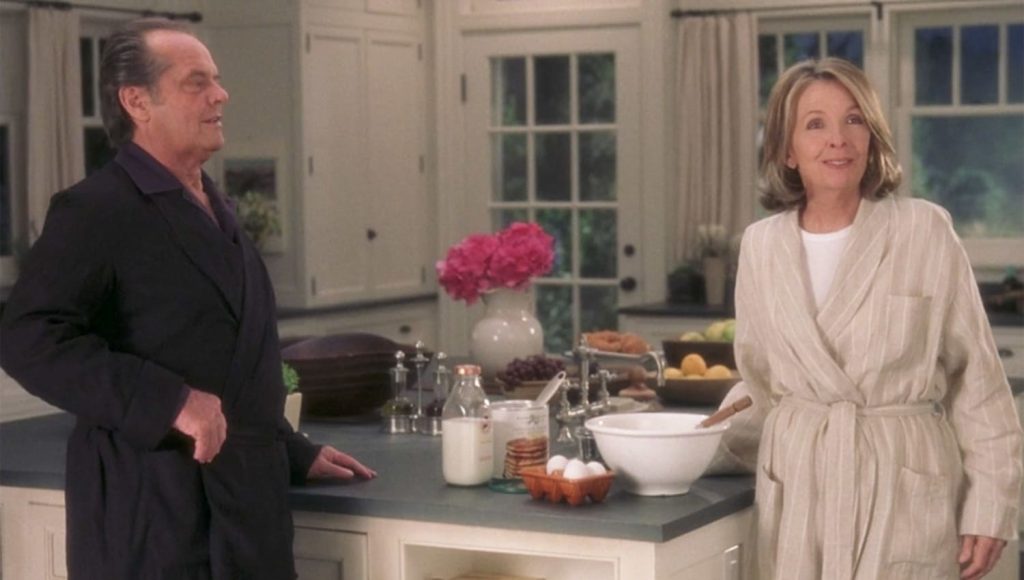
The most revealing detail in her entire biography is this: her mother, Patricia Meyers, was an interior designer. The most influential residential aesthetics of the 21st century — the white kitchens, the stone floors, the natural wood and neutral palettes that define luxury beach houses from Sagaponack to Santa Barbara — descended from a daughter who watched her mother arrange rooms and spent the next five decades translating that education into cinema. Everything else in the Nancy Meyers story grows from that single inheritance.
The Before: A Philadelphia Girl Who Learned to See Rooms
Nancy Jane Meyers was born on December 8, 1949, in Philadelphia, Pennsylvania. Her father, Irving Meyers, was an executive at a voting-machines manufacturer — a practical man in a practical industry. Her mother, Patricia, was the creative counterweight: an interior designer who also volunteered with the Head Start Program and worked with seniors through the Home for the Jewish Aged. The household was stable, middle-class, and defined by a specific duality. One parent counted things. The other arranged them beautifully.
Meyers has described her major influences as the screwball comedies of the 1930s and 1940s — Lubitsch, Cukor, Hawks. These were films where wealthy people said clever things in beautiful rooms. The template was always there. What Meyers eventually added was the female gaze, the understanding that women don’t just want to look at handsome men. They want to look at the rooms those men inhabit and imagine themselves arranging the furniture differently. That insight, which seems obvious in retrospect, eluded every other filmmaker of her generation.
After graduating from American University in Washington, D.C., Meyers moved to Los Angeles and began the difficult work of becoming a female screenwriter in an industry that barely acknowledged the category existed. Her process, which has remained consistent for four decades, involves spending a year writing, followed by six months of filming and six months of editing. That pace — deliberately slow, obsessively controlled — mirrors the interior design philosophy she absorbed from her mother. You don’t rush rooms. You don’t rush stories about rooms. The patience is where the quality lives.
The Pivot: Private Benjamin and the Oscar That Changed the Equation
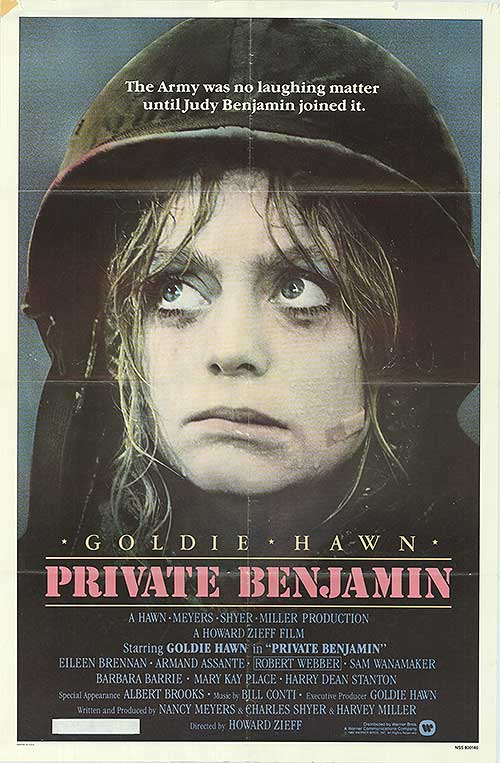
In 1980, Meyers co-wrote Private Benjamin with her then-husband Charles Shyer and Harvey Miller. Starring Goldie Hawn as a pampered woman who joins the Army after her husband dies on their wedding night, the film earned $69 million domestically — a substantial hit for its era — and Meyers received an Academy Award nomination for Best Original Screenplay. She was 30 years old. A woman writing a commercially successful film about a woman’s transformation in 1980 wasn’t just a career milestone. It was structural proof that female-driven comedies could generate serious revenue.
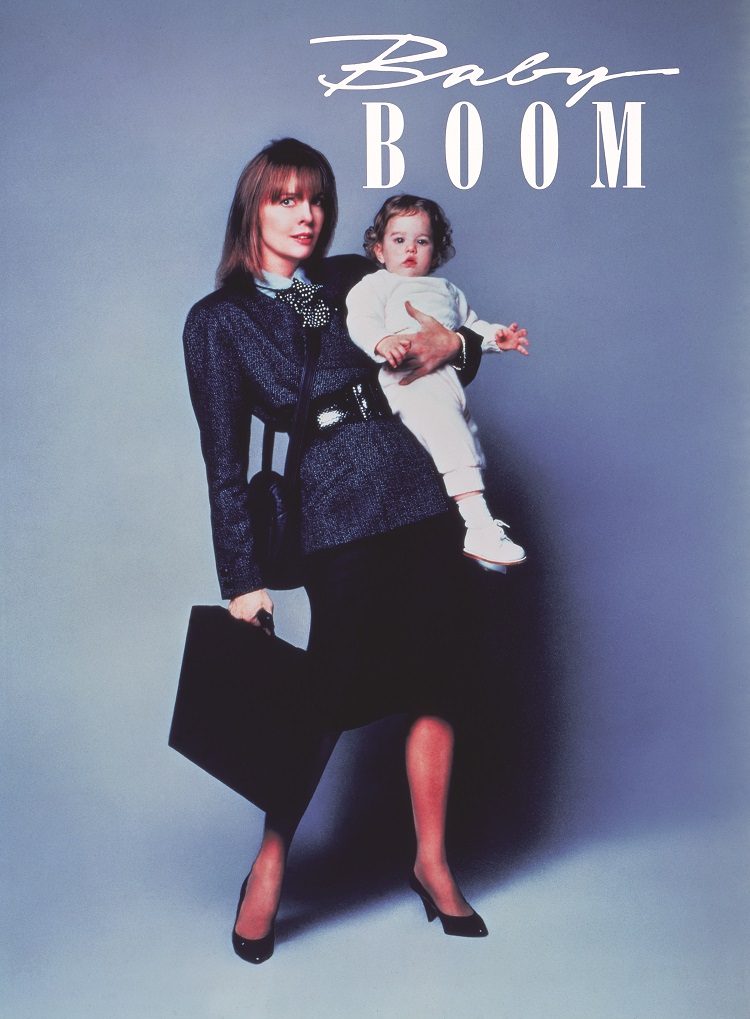
The partnership with Shyer continued through the 1980s and into the 1990s. Together they wrote and produced Baby Boom (1987), which earned a Golden Globe nomination, and co-wrote both Father of the Bride (1991) and its sequel. Industry observers noted that Meyers consistently gravitated toward stories about accomplished women navigating the collision between professional ambition and personal desire. That thematic consistency wasn’t a limitation. It was a brand being built in real time, one screenplay at a time.
When Meyers and Shyer divorced, she stepped into directing. The Parent Trap (1998) grossed $92 million globally and demonstrated she could control every element of production — casting, design, pacing, tone — with the same specificity her mother brought to arranging a living room. Then came What Women Want (2000), which earned $374 million worldwide and became the highest-grossing film ever directed by a woman. The Nancy Meyers net worth began its ascent. More importantly, the Nancy Meyers genre began its construction.
The Climb: How One Director Became an Entire Aesthetic Category
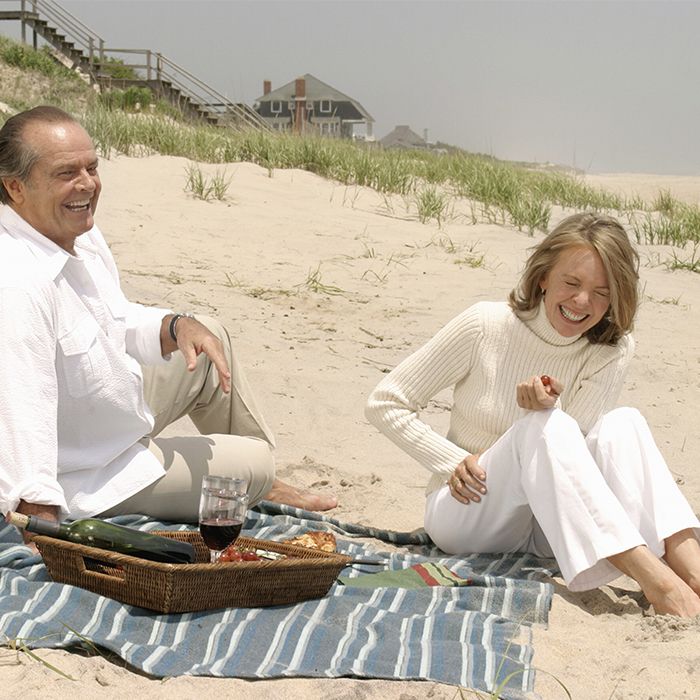
Something’s Gotta Give (2003) is the film where everything converged. A $266 million worldwide gross. Diane Keaton delivering the performance of her career opposite Jack Nicholson and Keanu Reeves. And a fictional Sagaponack beach house that became the most referenced residential design template in Hamptons history. Meyers didn’t just direct a romantic comedy. She engineered a lifestyle conversion event that permanently altered the East End renovation market.
The academic and writer Deborah Jermyn has called Meyers “Hollywood’s reigning romcom queen.” The label is accurate but insufficient. Queens rule existing territories. Meyers created a new one. The “Nancy Meyers aesthetic” — now a recognized category in interior design with its own vocabulary of neutral paints, natural wood furniture, patterned textiles, and vintage accessories — didn’t exist before her films defined it. Architectural Digest has profiled her sets as design landmarks. Niche websites dedicated exclusively to the kitchens and bedrooms in her films have operated for years.
The Holiday (2006) grossed over $200 million and became a permanent Christmas cultural fixture — despite Meyers never intending it as a holiday film. It’s Complicated (2009) earned $219 million and put Meryl Streep in another aspirational kitchen that spawned another wave of renovations. By the time The Intern (2015) paired Anne Hathaway with Robert De Niro, Meyers had accumulated over $1 billion in combined worldwide box office. That figure places her among the most commercially successful filmmakers in history, regardless of gender.
The Hamptons Chapter: She Built the Fantasy That Priced Everyone Out
The irony at the center of the Nancy Meyers filmography — and the irony that makes her relationship with the Hamptons so textured — is that her democratic vision of beautiful living became an exclusionary market force. The Erica Barry beach house in Something’s Gotta Give was designed to communicate a specific thesis: a successful woman can build a space so beautiful it reflects her inner life. That thesis was available to anyone who watched the movie. The real estate version of that thesis now costs $15 to $25 million in the zip codes the film romanticized.
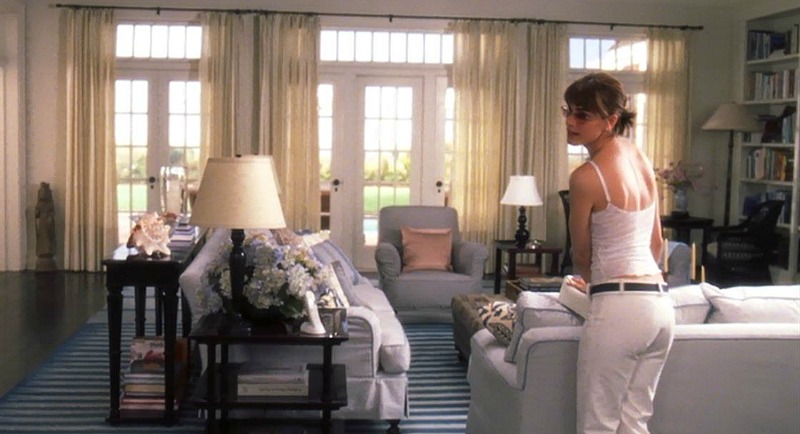
Restoration Hardware, Pottery Barn, and the entire “coastal grandmother” trend that swept social media during the pandemic owe their aesthetic DNA to decisions Meyers made in pre-production meetings two decades ago. Every white cabinet, every marble countertop, every set of French doors opening onto an ocean view in a Hamptons listing traces its lineage back to a woman from Philadelphia whose mother taught her that rooms communicate character. The influence is so pervasive it has become invisible — which is the definition of a truly successful aesthetic revolution.
Consequently, the relationship between Meyers and the Hamptons operates as mutual reinforcement. Her films taught the East End what to aspire to. The East End’s commitment to those aspirations validated her films as something more permanent than entertainment. A Nancy Meyers movie isn’t a recommendation. It’s a building code. And building codes, unlike box office returns, don’t expire when the credits roll.
What She Built: A Genre, a Gaze, and an Unfinished Fight
Assessing the Nancy Meyers net worth in purely financial terms produces a misleading picture. Published estimates vary widely, from conservative industry valuations to more generous assessments. What’s indisputable is the economic activity her work generates for others. Over $1 billion in box office revenue for studios. Incalculable revenue for the design, renovation, and home goods industries that built product lines around her aesthetic. A permanent category of aspiration that drives consumer behavior from Sagaponack to Sydney.
Her personal wealth, however, has always been modest relative to her cultural impact — a disparity that the Paris Paramount budget fight made painfully visible. In 2023, Netflix greenlit Meyers’ first directing project in eight years, then killed it when she requested $150 million and the studio wouldn’t go above $130 million. The coverage focused on the price tag. The subtext was harder to ignore. Male directors routinely command budgets that dwarf what Meyers was requesting. Ryan Murphy’s Netflix deal exceeded $300 million. Ryan Gosling vehicles approached $200 million. The industry that Meyers helped build with a billion dollars in cumulative box office told her she was too expensive.
That fight — and its eventual resolution — tells the Nancy Meyers story as clearly as any film she’s made. Warner Bros. rescued the project with a lower budget. The film will star Penélope Cruz, Kieran Culkin, Jude Law, Erin Doherty, and Owen Wilson. It shoots in May 2026 and opens Christmas Day 2027. Meyers confirmed it will be released theatrically, not on streaming. Culkin’s casting carries a particular resonance: he played young Matty Banks in Meyers’ Father of the Bride thirty-five years ago. Now he’s an Oscar winner returning to the filmmaker who gave him his first break. Some narratives take three decades to complete their arc.
The Soft Landing: The Eleven-Year Absence and What It Proved
Between The Intern in 2015 and the Warner Bros. announcement in 2026, Nancy Meyers didn’t make a movie for eleven years. In Hollywood terms, that absence is typically a death sentence. Directors who disappear for a decade don’t come back. Their deals evaporate. Their cultural relevance fades. Studios stop returning calls.
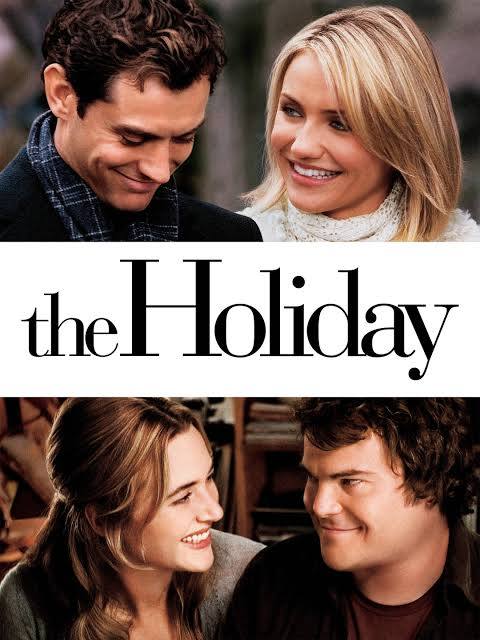
Meyers’ absence proved the opposite thesis. During those eleven years, the Nancy Meyers aesthetic didn’t fade — it accelerated. The “coastal grandmother” trend went viral on TikTok, introducing her visual language to a generation that wasn’t born when Something’s Gotta Give opened. Apple TV+ commissioned a limited series reboot of The Holiday — without Meyers’ involvement, to considerable fan backlash. Amazon MGM greenlit a remake of Baby Boom. Her filmography didn’t just endure without new entries. It generated derivative products that other studios wanted to exploit precisely because the original was so potent.
When Meyers wrote her tribute to Diane Keaton after the actress’s death in October 2025, she said the world had lost a giant — a brilliant actress who repeatedly laid herself bare to tell other people’s stories. That description applies equally to Meyers herself. Every film she’s made has been a form of exposure — a woman showing the world exactly what she finds beautiful, what she believes women deserve, and what kind of room a life well-lived should take place in. The Nancy Meyers net worth is a number. The Nancy Meyers contribution is a language. And languages, unlike box office receipts, compound indefinitely.
Related Reading
- Why Every Woman East of Shinnecock Still Lives Inside Something’s Gotta Give
- Diane Keaton Net Worth: The $100 Million Fortune Built on Talent, Turtlenecks, and the Homes She Left Behind
There’s a moment in every great movie where a character finally sees what was always in front of them. That’s what Social Life Magazine does for the Hamptons — it holds up a mirror to a world most people only glimpse from the outside, and it lets you see yourself in the frame.
Want to be featured in Social Life Magazine? Whether you’re a brand, a tastemaker, or a story waiting to be told, our editorial team crafts narratives that position you exactly where you belong. Reach out to our editorial team today.
Ready for guaranteed placement? Our Paid Feature program puts your story in front of 25,000 affluent readers per issue — with full creative control and premium positioning. Submit a Paid Feature today.
Join 82,000+ readers who get the Hamptons delivered. Our email list is the inside track for events, features, and access you won’t find anywhere else. Subscribe to our email list.
Experience the event of the summer. Polo Hamptons brings together the East End’s most influential crowd for world-class polo, luxury brand activations, and the kind of networking that actually moves the needle. Get your tickets and sponsorship info at PoloHamptons.com.
Want Social Life in your hands? Our print issues are collector’s items — 25,000 copies distributed from Westhampton to Montauk every summer, plus fall and winter editions to Upper East Side doorman buildings. Subscribe to the print edition.
Love what we do? Keep it going. Social Life Magazine has been the Hamptons’ cultural record for 23 years. Your support helps us keep telling the stories that matter. Donate $5 to support Social Life Magazine.
Author

Written by
Recent Posts
Amanda Peet Net Worth: The Brilliant Dinner Guest Hollywood Forgot to Invite Back
Keanu Reeves Net Worth: Infinite Losses, and the Role That Proved Kindness Compounds
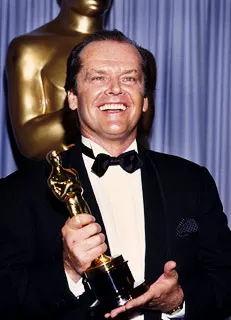
Jack Nicholson Net Worth: Three Oscars, and the Role He Couldn’t Stop Playing

Diane Keaton Net Worth: The Fortune Built on Talent, Turtlenecks, and the Homes She Left Behind
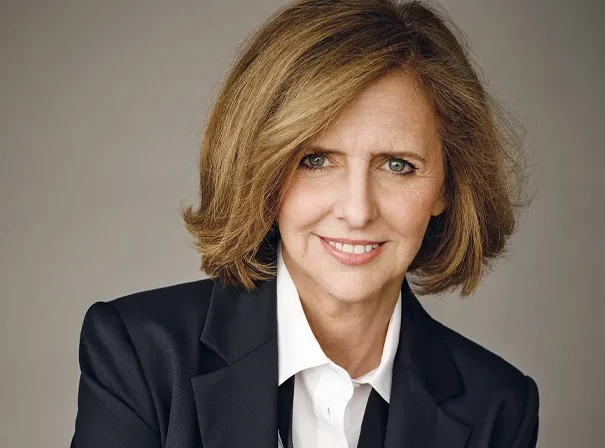
Nancy Meyers Net Worth: A Filmography, an Inheritance, and the Kitchen That Sold the Hamptons
Categories
- Art
- Articles
- Beauty & Skincare
- Celebrities
- Celebrities|The Chronicles
- Chronicles
- Entertainment|Culture
- Event Photos
- Events
- Fashion
- Fashion & Style
- Featured
- Food & Beverage
- Food, Spirits, Wine
- Hamptons
- Hamptons Celebrities
- Hamptons Celebrities|Celebrities|The Chronicles
- Health
- Health & Beauty
- Lifestyle
- Luxury Lifestyle
- Movies|Hamptons Lifestyle
- Press
- Profiles
- Real Estate
- Technology
- The Chronicles
- Travel
- Uncategorized
- Weddings